

Finding a reliable fabrication partner in Ahmedabad can feel like searching for a needle in a haystack. While the city is a massive industrial hub, the sheer number of workshops makes it difficult to distinguish between a high-quality engineering firm and a small-scale shop that overpromises. For purchase managers and factory owners, a wrong choice doesn’t just mean a lost deposit—it means production delays, failed inspections, and safety risks.
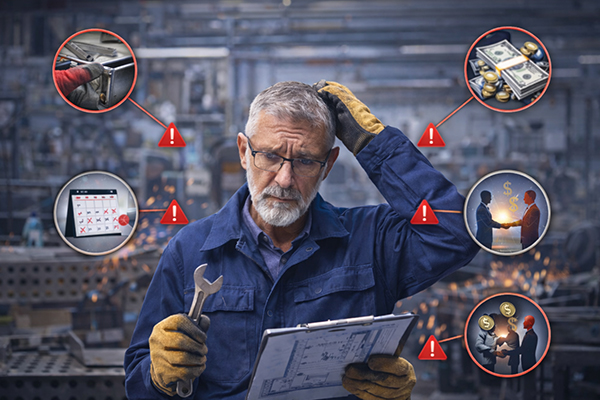
Industries often struggle with inconsistent quality, fluctuating material costs, and frustrating delivery delays. When a fabricated part doesn’t fit perfectly into a larger assembly, the entire project halts. This guide breaks down the common hurdles local industries face and explains how to navigate the complex landscape of Ahmedabad’s fabrication sector to find a partner who actually understands your technical needs.
What Is Industrial Fabrication?
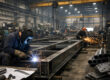
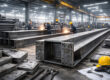
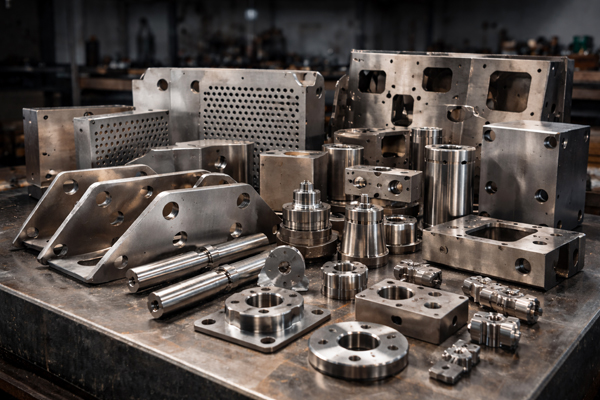
Industrial fabrication is the process of building machines, structures, or parts from raw metal. It involves several steps like cutting, bending, welding, and assembling. Unlike general blacksmithing, industrial fabrication requires high precision and specific materials (like stainless steel, mild steel, or aluminum) to ensure the final product can handle heavy loads or high pressure.
How to Choose the Right Fabrication Partner
To avoid these headaches, industries should follow a strict vetting process. Don’t just look at the lowest price; look at the capability.
A Simple Checklist for Buyers
Why Ahmedabad Industries Depend on Fabrication Companies
Ahmedabad is home to massive industrial zones like GIDC Vatva, Naroda, and Sanand. These areas house chemical plants, textile mills, and auto manufacturing units. These businesses rely on fabrication companies for:
Custom machine parts and frames.
Storage tanks and pressure vessels.
Structural platforms and sheds.
Precision components for assembly lines.
Without a strong fabrication partner, these industries cannot maintain their machines or expand their production capacity.
Common Problems Industries Face
In the fabrication world, you often have to choose between two paths.
Industries Often Facing These Issues
Manufacturing
Need precise machine covers and frames.
Automotive
Require high-volume, identical metal components.
Construction
Depend on heavy structural beams and columns.
Electrical Panel Builders
Need high-accuracy sheet metal enclosures.
Heavy Engineering
Require specialized welding for large-scale equipment.
OEMs (Original Equipment Manufacturers)
Need consistent quality for their branded products.
Impact Comparison Table
| Common Problem | Impact on Industry | How to Avoid It |
| Inaccurate Dimensions | Parts won’t fit; Assembly stops | Demand CNC Laser/Bending reports |
| Weak Welding | Structural failure; Safety risks | Check for certified welders (WQR) |
| Delivery Delays | Production downtime; Financial loss | Ask for a project timeline/Gantt chart |
| Hidden Costs | Budget overruns | Get a fixed, detailed BOM quote |
FAQ Section
Prices vary based on the quality of steel used, the precision of the machines (manual vs. CNC), and the level of finishing/painting provided.
Always ask for a Material Test Certificate (MTC) from the steel manufacturer. Reliable fabricators will provide this without hesitation.
For thin to medium sheets where high precision is needed, laser cutting is much better and cleaner than plasma cutting.
Include your 2D/3D drawings, material grade, quantity, required tolerances, and your deadline.
Visit their factory. Check if they have organized workstations, modern machinery, and a clear process for tracking orders.
Conclusion
Choosing a fabrication company in Ahmedabad is about more than just finding a vendor; it is about finding a partner who values your project’s success. By understanding the common pitfalls – like poor accuracy, weak welding, and hidden costs—you can make a more informed decision.
A reliable partner will always prioritize transparency, technical accuracy, and timely delivery. Taking the time to verify a fabricator’s machinery and quality processes today will save your business from expensive repairs and production halts tomorrow.