

Steel Fabrication for Large Projects
The world is growing faster than ever before. If you look around any major city, you will see modern infrastructure expanding. From massive skyscrapers to huge bridges and airports, mega construction projects are happening everywhere. To build these amazing structures, engineers and builders need materials that are extremely strong, safe, and reliable. Regular building materials like simple wood or basic concrete are often not enough for these giant projects.This is where Heavy Duty Steel Fabrication becomes an incredibly important solution. It is the backbone of modern building.
By turning raw steel into perfectly shaped structural pieces, fabrication makes it possible to build taller, wider, and safer than ever before. In this article, we will explore exactly how heavy steel fabrication supports large-scale projects, why it is so beneficial, and how to choose the right partner for your building needs.
What is Heavy Duty Steel Fabrication?
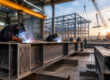
Before we look at the benefits, it is important to understand what this process actually is. Heavy Duty Steel Fabrication is the detailed process of cutting, bending, welding, and assembling raw steel into large, ready-to-use structures.
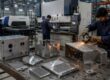
Instead of just pouring concrete on a building site, fabrication happens in a controlled factory setting. Expert workers use heavy machinery to shape the steel exactly how the engineers want it. This process is used to create incredibly large and strong steel structures that can hold thousands of tons of weight.
Because it deals with massive pieces of metal, this type of work is highly suitable for industrial and infrastructure projects. Every piece is custom-built as per engineering drawings. Whether an architect designs a curved roof for a stadium or a straight support beam for a warehouse, custom steel fabrication turns that drawing into a real, physical piece of steel ready for the job site.
Why Large Construction Projects Need Heavy Duty Steel Fabrication
Why do builders prefer steel over other materials? There are many reasons why structural steel fabrication is the top choice for giant construction jobs.
Major Construction Projects That Use Heavy Duty Steel Fabrication
Industrial steel fabrication is used in almost every major building project you can think of. Because of its strength and flexibility, it is the perfect material for:
- Commercial buildings: Tall office towers and skyscrapers rely on steel skeletons to reach high into the clouds.
- Industrial sheds: Large manufacturing plants need wide, open spaces without too many supporting pillars blocking the way.
- Warehouses: Huge storage centers for online shopping companies are built quickly using steel frames.
- Bridges: Steel can stretch across wide rivers and valleys while supporting the heavy weight of trains and trucks.
- Airports: Massive airport terminals use steel to create giant, open roofs with lots of natural light.
- Railway stations: Train hubs use fabricated steel for platforms, large roofing, and track supports.
- Shopping malls: Multi-level retail centers use steel to support heavy foot traffic and large glass windows.
- Power plants: Energy facilities require heavy-duty steel to hold massive turbines and boilers safely.
- Stadiums: Sports arenas use complex curved steel structures to provide roofs that cover thousands of fans.
Common Fabricated Steel Components
When we talk about construction steel structures, we are actually talking about many different smaller parts combined. Some of the most common fabricated steel components include:
- Beams: Long, heavy pieces of horizontal steel that support the floors and roof.
- Columns: Tall, vertical steel posts that hold up the beams and transfer the weight to the ground.
- Trusses: Triangle-shaped steel frames used to support wide roofs over stadiums or airports.
- Platforms: Flat steel areas built inside factories for workers to stand on and operate machinery safely.
- Staircases: Heavy-duty metal stairs used inside industrial buildings or as emergency fire exits.
- Frames: The main outer skeleton of a building that gives it its overall shape.
- Roof structures: The angled or curved steel parts that sit at the top of a building to hold the roofing material.
- Support brackets: Smaller, thick pieces of steel used to connect heavy beams and columns together securely.
Heavy Duty Steel Fabrication vs Traditional Construction Materials
| Feature | Heavy Duty Steel Fabrication | Traditional Materials (Concrete/Wood) |
| Strength-to-Weight | Very high. Very strong but relatively lightweight. | Low. Concrete is very heavy; wood is weaker. |
| Construction Speed | Very fast. Pre-made in a factory and assembled on site. | Slow. Requires pouring, drying, or framing on site. |
| Weather Resistance | Excellent. Treated to stop rust; immune to rot and pests. | Varies. Wood can rot or get termites; concrete can crack in freezing weather. |
| Customization | Very high. Can be bent and welded into any shape. | Limited. Concrete needs complex molds; wood is hard to curve. |
| Waste Material | Very low. Leftover steel is 100% recycled at the factory. | High. Lots of wood scraps and wasted concrete mix on site. |
How to Choose the Right Steel Fabrication Partner
- Experience in large projects: Make sure the company has built big things before. Ask to see a portfolio of their past bridges, warehouses, or skyscrapers.
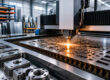
- Modern machinery: The best companies use computer-controlled (CNC) lasers and plasma cutters to ensure perfect precision.
- Skilled welders: Welding heavy steel requires certified and highly trained professionals. Poor welding can cause a building to collapse.
- Quality checks: A good partner will have a strict quality control team that tests every beam and joint before it leaves their factory.
- Delivery timeline: Large construction projects run on tight schedules. Choose a company known for delivering their steel parts exactly on time.
- Installation support: Some fabrication companies just drop off the steel. The best partners will offer a team to help you lift and install the structures on your site.
Maintenance Benefits of Fabricated Steel Structures
The benefits of Heavy Duty Steel Fabrication do not end when the building is finished. Once the project is complete, the building owner will enjoy excellent maintenance benefits:
- Low maintenance: Unlike wood that needs painting to stop rot, properly treated steel requires very little daily upkeep.
- High durability: Steel can survive earthquakes, heavy winds, and heavy snow much better than other materials.
- Replaceable sections: If a piece of steel gets damaged by an accident, a fabrication company can quickly build an exact replacement part to be bolted in.
- Long-term cost savings: Because it lasts so long and needs so few repairs, a steel building saves the owner a massive amount of money over the years.
FAQs
It is the industrial process of cutting, bending, welding, and assembling heavy raw steel into large, ready-to-use structural pieces for major construction projects.
It is used in almost all large-scale building projects. This includes skyscrapers, massive bridges, factory warehouses, airports, and sports stadiums.
Yes, it is incredibly strong. Steel has the highest strength-to-weight ratio of any common building material, making it the safest choice for tall and heavy structures.
Because the steel parts are built and finished in a factory, they arrive at the construction site ready to be bolted together. This removes the need for slow, messy on-site building.
Absolutely. Using modern lasers and bending machines, fabricators can shape steel to match exactly what the architect drew, no matter how complex the design is.
When properly treated against rust, a heavy steel structure can easily last for many decades, and in many cases, over a century, with very little maintenance.
Conclusion
Building the infrastructure of tomorrow requires materials that are strong, reliable, and precise. Heavy Duty Steel Fabrication provides the massive strength, fast building speeds, extreme durability, and safety that modern mega-projects demand. From towering skyscrapers to the bridges that connect our cities, steel is the undeniable backbone of the construction world.
By choosing to build with steel, you are investing in a structure that will stand the test of time. However, the quality of your building is only as good as the company that fabricates the metal.